
Easing prices and abundant inventory weren’t enough to entice buyers to the Fraser Valley market in November, as sales declined in line with seasonal buying patterns. Job numbers show some growth, but looking under the hood shows a less rosey picture than what they’d like you to believe. It all falls under the shadow of the Cowichan case, which has recently turned into a much larger issue. We’ll briefly cover those two elephants, but first, let’s dig into the local data.
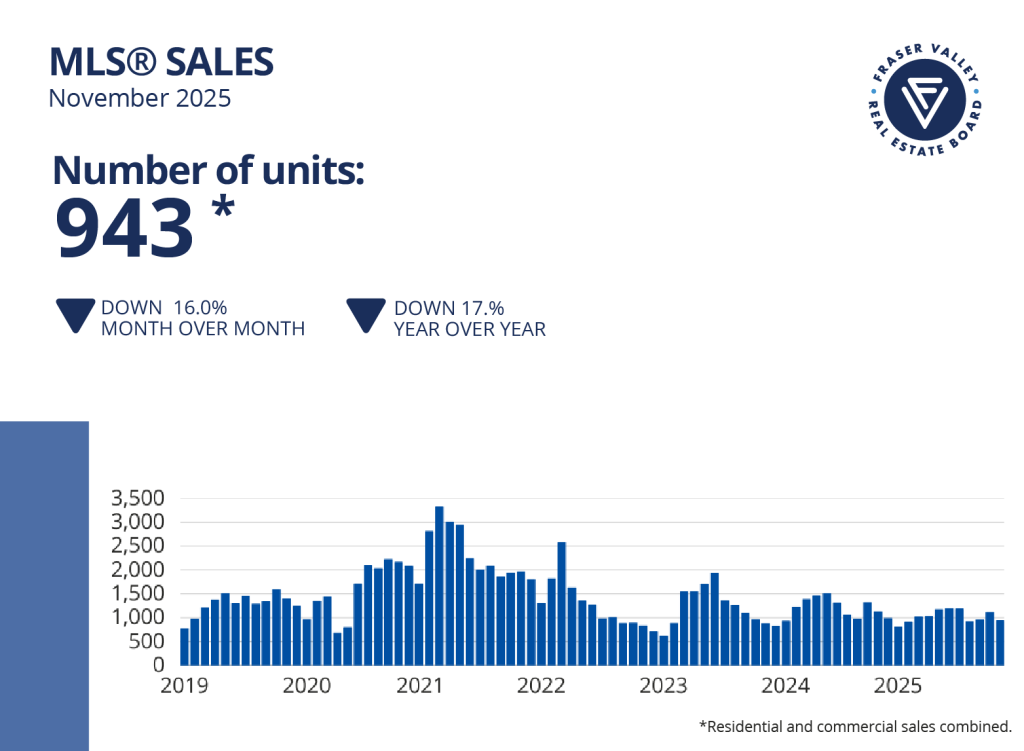
The Fraser Valley Real Estate Board recorded 943 sales on its Multiple Listing Service in November, a 16% decrease from October, and 17% below sales from the same month last year.
New listings slowed again in November, down 26% month-over-month and 7% year-over-year, to 2,210. Overall inventory remains well above seasonal norms for the Fraser Valley, with 9,201 active listings, down 9% from October and 47% above the 10-year seasonal average. It’s normal for the market to begin to slow this time of year, but we are seeing that natural market movement compound with the general slowdown. I expect sales and new listings to continue slowing for the next couple of months at least, as most hunker down for the winter.
The Fraser Valley remains firmly in a buyer’s market, with an overall sales-to-active listings ratio of 10% in November, down 1% from October. A balanced market is typically defined by a ratio between 12% and 20%.
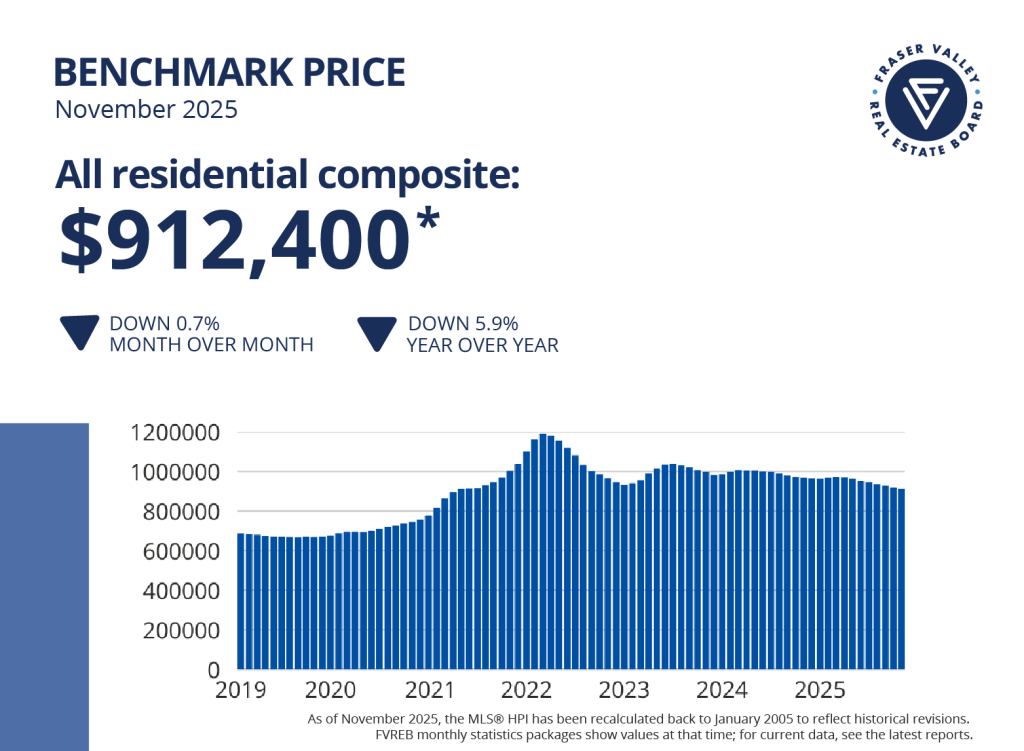
The composite Benchmark price for a typical home in the Fraser Valley decreased 0.7% in November, to $912,400.
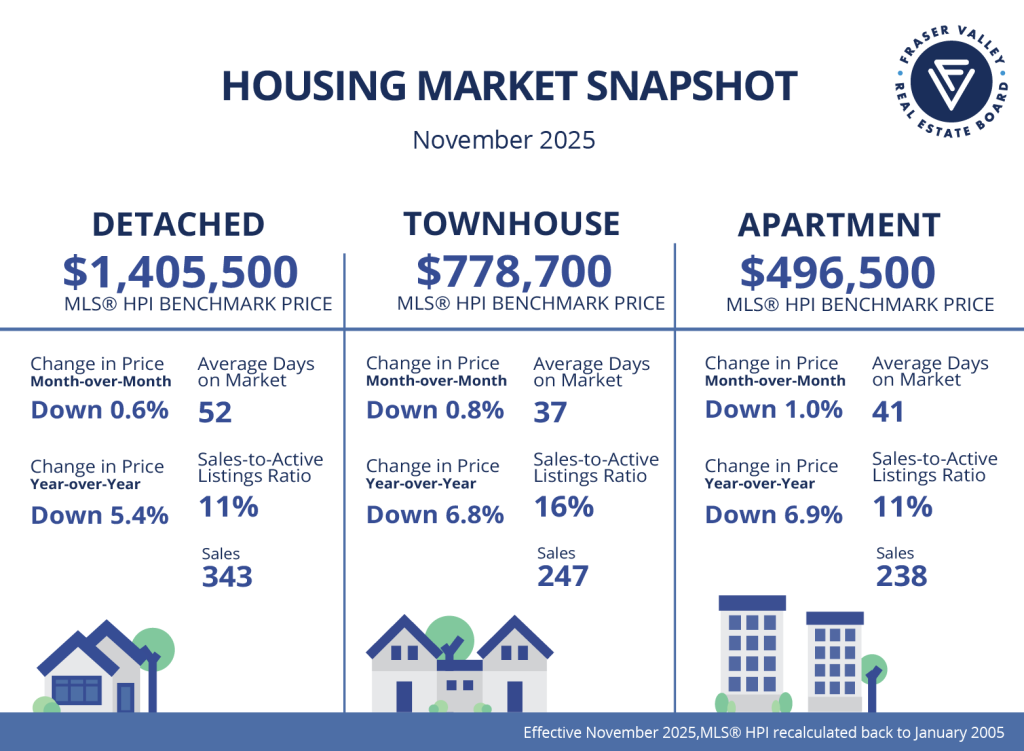
MLS® HPI Benchmark Price Activity
- Single Family Detached: Fell to $1,405,500 down 0.6% compared to October 2025 and down 5.4% compared to November 2024. They took 52 days to sell on average, a significant increase from the previous month’s average of 42 days.
- Townhomes: Fell to $778,700 down 0.8% compared to October 2025 and down 6.8% compared to November 2024. They took 37 days to sell on average, no change from October.
- Apartments: Fell to $496,500 down 1% compared to October 2025 and down 6.9% compared to November 2024. They actually sped up slightly, taking an average of 41 days to sell, one day faster than the previous month’s average of 42 days.
As always median days to sell give a slightly different picture. Detached slowed to 37 median days to sell, up from 30 the previous month. Condos were slightly slower than the previous month, at 28 days, up from 26. Lastly, townhomes remain unchanged, which makes sense as they have continued to be the strongest property type.
It’s more evidence that buyers are pinched, and just can’t make the jump to detached, so they’re buying the closest available option.
It also shows that the desirable properties are still moving much faster than average, I don’t believe that will ever change.
Above I mentioned that most markets remain in buyer’s favour. The stats may skew slightly in the coming months as fewer sellers choose to list, assuming they won’t have success. Fewer listings, paired with fairly steady sales, will improve the sell through rates and give the illusion that the market is improving. Once those sellers see a bit of movement however, they’ll rush back in and ratios will drop off again, so bear that in mind.
Speaking of illusions, CREA recently “adjusted” the method they use to calculate HPI (Home Price Index). This has led to the majority of areas I track seeing significant jumps in HPI valuations, flattening the curve we’ve seen in the last 12 months. I’ll give you an example:
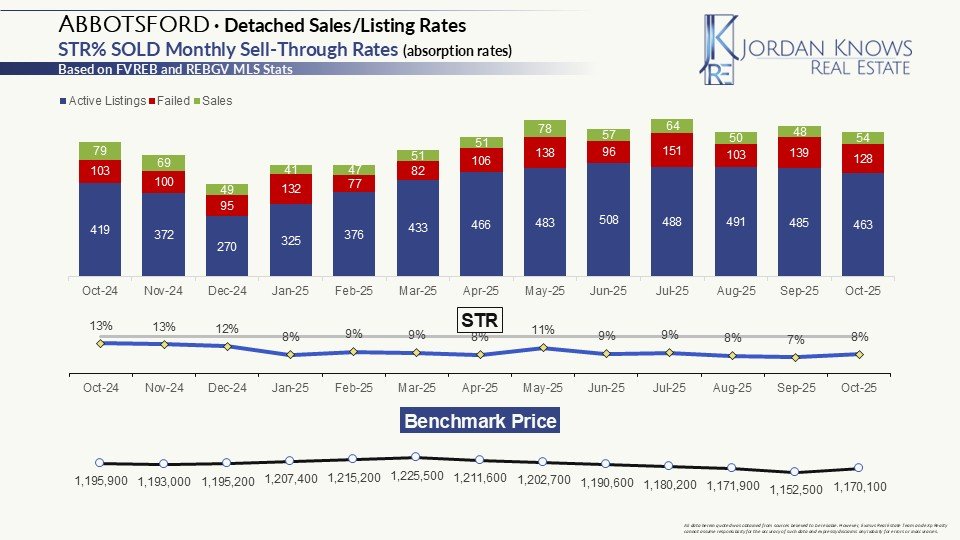
In October of 2025, CREA recorded the HPI on Abbotsford detached homes in September to be $1,152,500.
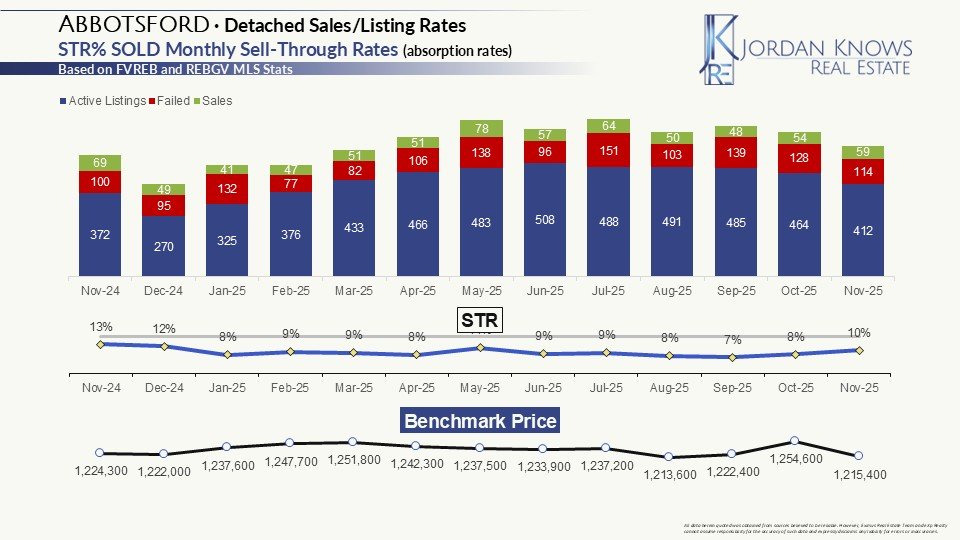
This number was just revised to $1,222,400. That’s a pretty massive increase, and was applied across all markets and properties types, and leads to significantly skewed stats.
I’m not saying it’s a grand conspiracy to prop up the market and make it appear stronger than it actually is, but I do believe this is further proof that local market knowledge is the most important factor in building your buying and selling strategies. What I mean by this is, anyone can throw stats around, and they can be made to suit whichever narrative you need, but the reality of comparable sales will always trump that narrative.
What your neighbours sell for locally will weigh much heavier than statistics than can be “adjusted” on a whim, and having that strong market knowledge makes a huge difference when negotiating.
In other news, the federal government recently released job numbers, and on the face of it, they sound positive.
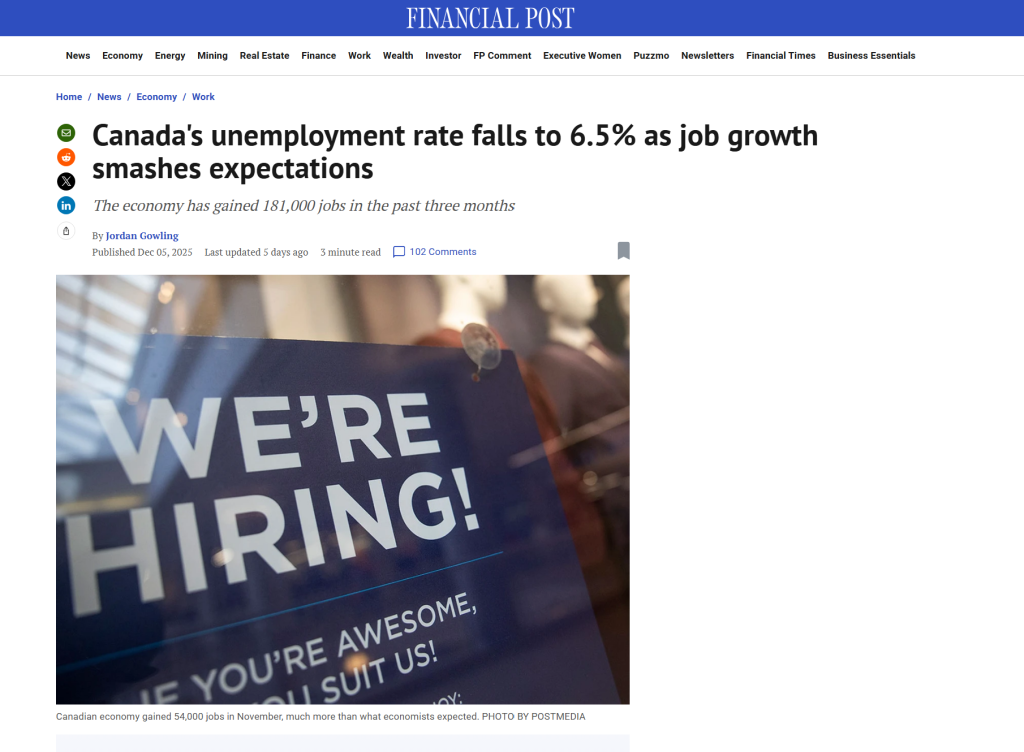
53,000 jobs added, unemployment drops to 6.5%.
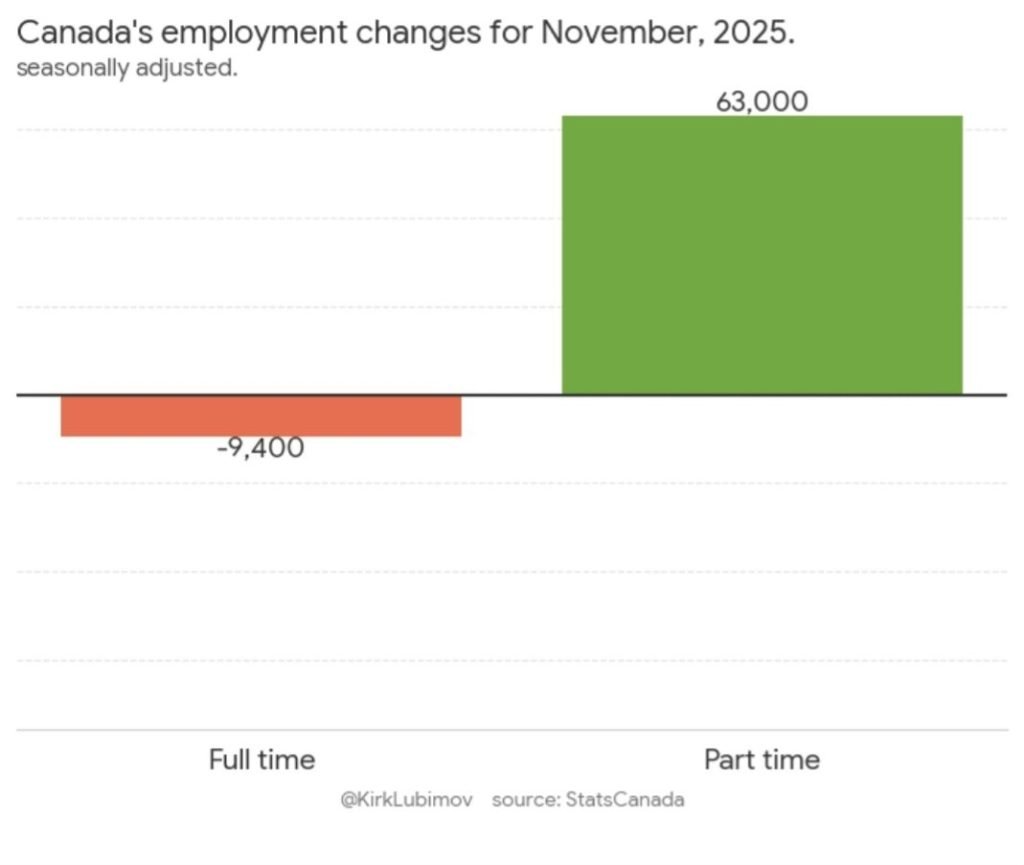
What they fail to mention is that we lost 9,400 full time jobs and replaced them with 63,000 part-time jobs, 16,000 of which were in the public sector.
We also saw retail lose about 34,000 positions, and yet most of the new jobs, which were in healthcare and social services, not generally attributed to youth employment, lead to youth unemployment dropping 1.3% from 14.1% to 12.8%.
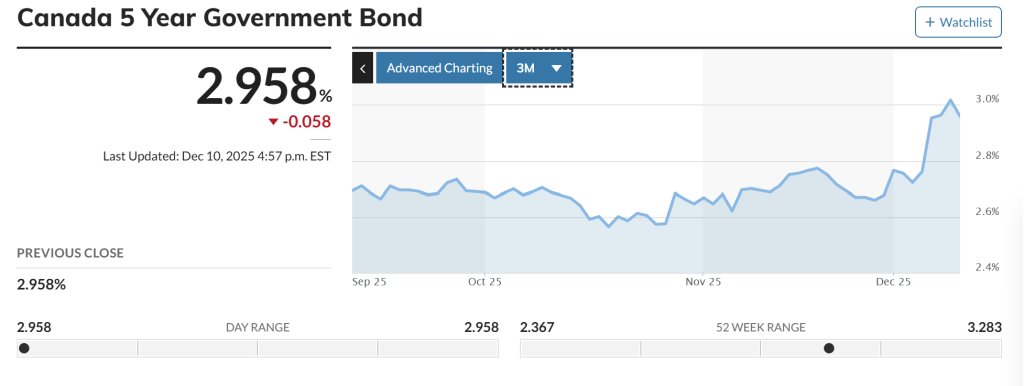
The numbers just don’t line up, but unfortunately the market saw the headlines and priced in the “improvements”, leading to bond yields jumping significantly over the last week, currently sitting just under 3%. Meaning homeowners praying for some fixed rate relief are out of luck for now, and we’ll likely see rates rise as a result.
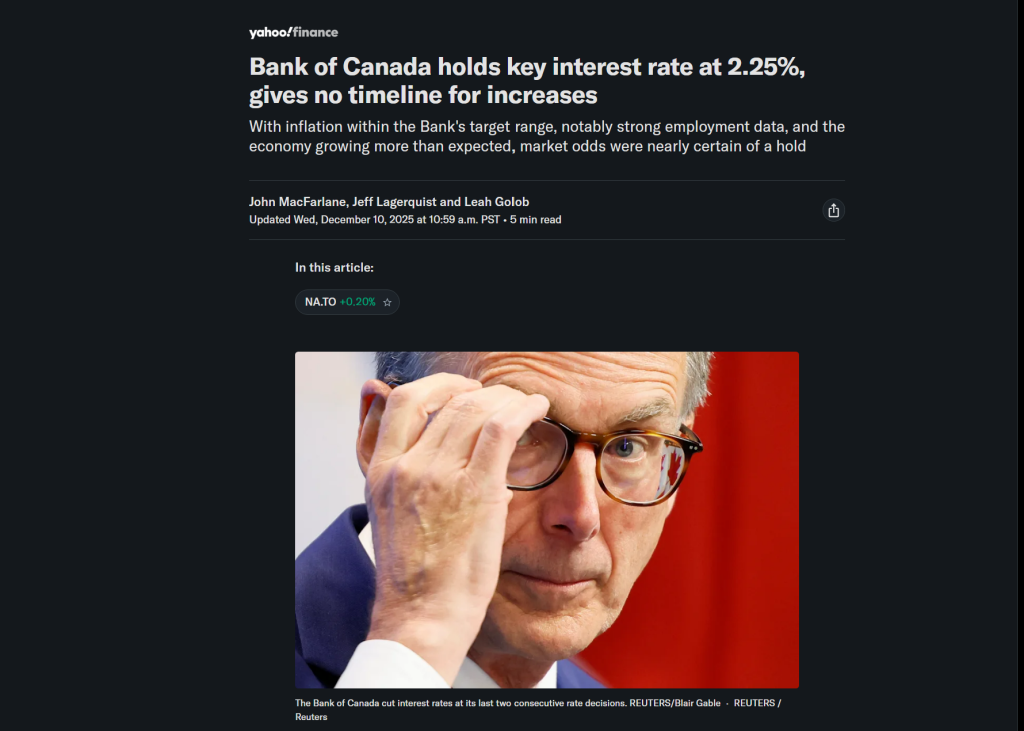
In line with the “positive growth”, the Bank of Canada just announced they’ll be holding the overnight lending rate at 2.25%, so variable rate holders are out of luck as well.
Lastly, let’s briefly cover the growing elephant in the room, the Cowichan case. I say briefly, because I don’t want to get too deep into it, beyond bringing it to your attention. At a really high level, the Eby NDP government used both the cover of emergency lockdowns in 2021 and their majority position to unilaterally sign the province up to UNDRIP, or the United Nations Declaration on Right of Indigenous People.
It’s worth noting that the BC Conservatives, formerly the BC Liberals, participated in this. Basically UNDRIP has now been elevated from an aspirational guideline into something approaching binding law, and courts are beginning to treat it that way.

The Cowichan ruling is the first real test case, and the implications are massive, because it signals a shift in how land rights, jurisdiction, and even private ownership may be interpreted going forward.
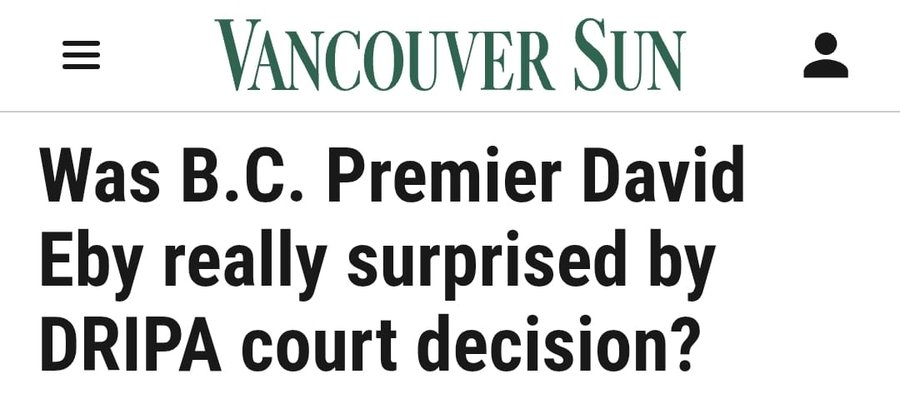
And Cowichan is only the first domino. There are more cases in motion that government hasn’t disclosed, lenders are already backing out of deals because they don’t know where the liability stops, there’s one band trying to claim the entirety of Kamloops, and we’re even seeing US-based bands asserting claims on Canadian land.

It’s also spreading across the Canada country now. BC is the only jurisdiction that adopted UNDRIP in this way, and it was completely unnecessary, yet every law here must now be reinterpreted through that lens.
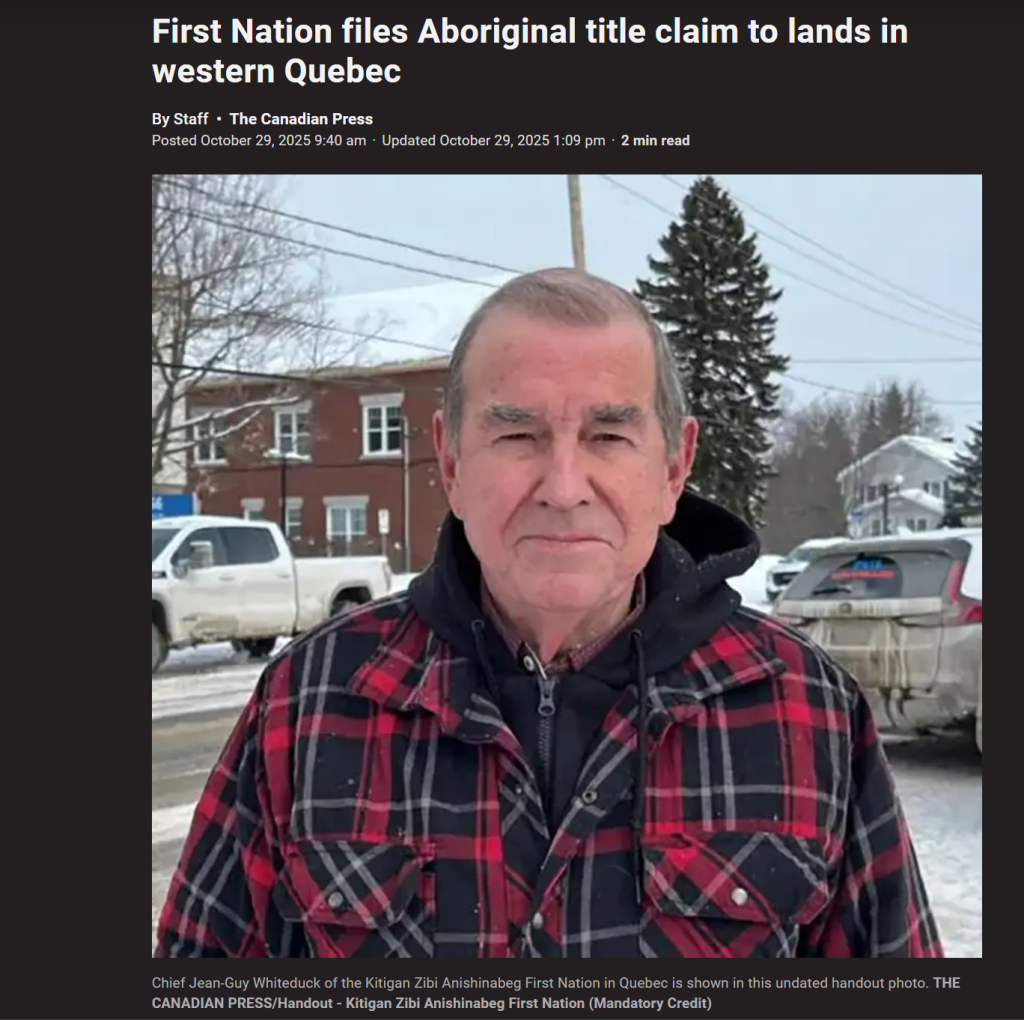
That means everything from land use to resource rights to long-settled property assumptions is suddenly up for grabs. Turns out if you elect activists, you get activism.
The last point I’ll make on the topic is simply this: There has been an untold amount of money spent on these issues.
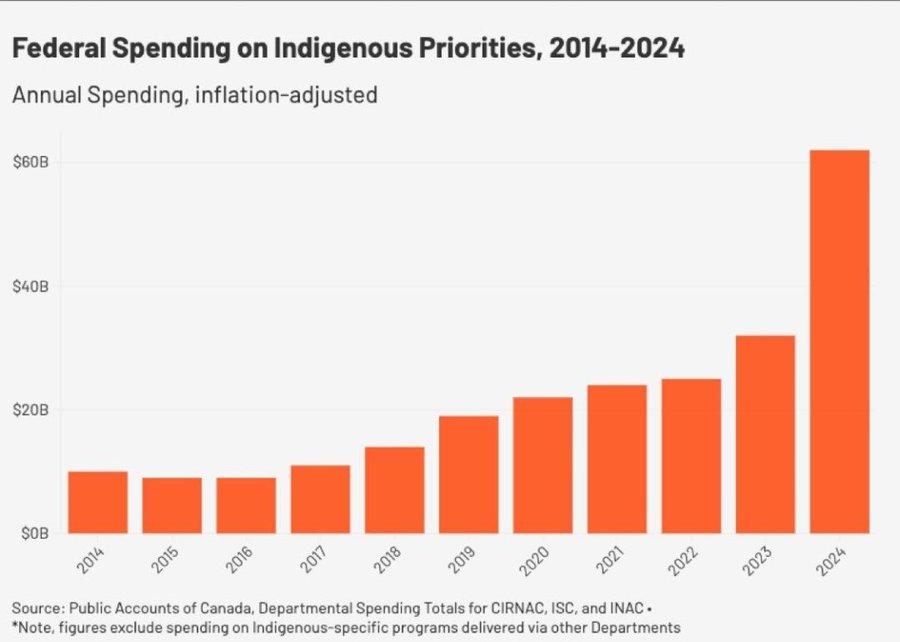
I’ve seen reports claiming hundreds of billions spent in recent years, as much as $1 trillion dollars since 1975, the vast majority of which doesn’t leave Ottawa or provincial government circles, paid to the various lobbyists, NGO’s, lawyers, band leaders, and a myriad of other “professionals” with their hands out; leading to very little money making it to the people it’s supposed to be spent on.
We’ve all heard about the lack of clean drinking water on reserves, despite billions of dollars spent, it belies belief. The Cowichan case alone had 78 lawyers attached to it. What we seem to have rather than a reconciliation process, is a reconciliation industry, and no one can seem to answer what exactly it looks like to be reconciled. So call your MLA and MP, seriously.
With luck, common sense prevails, and the 98% of the Canadian population that has nothing to do with reconciliation, and bears no responsibility for the claims made, are protected by the representatives they elected; or at the very least new ones are elected that will stand up for property rights.
In the meantime, expect prices to continue sliding as sales slow. We may see a short-term bump in sell-through as listings dry up, but I don’t think it lasts. If you’re buying, you’ll be working with fewer options, and you may find yourself negotiating against sellers who still think last spring’s prices apply. If you’re selling, getting your price right from day one is the single biggest advantage you can give yourself. Beat the stale inventory and you’re first in, first out
And whatever side you’re on, take every headline and every stat with a grain of salt, especially when the people putting them out can “adjust” them whenever needed.
But that’s just my read on it. I’m curious what you think. Do the job numbers look legit to you, or does it feel like another smoke screen before parliament heads off for the winter break? And with everything happening from Cowichan to the shifting lending landscape, do you think confidence returns in the new year or are we in for a longer stall?
As always, if you have any questions about Fraser Valley real estate, whether that’s buying, selling, or just wanting clarity on where the market is headed, I’m here to help.


