
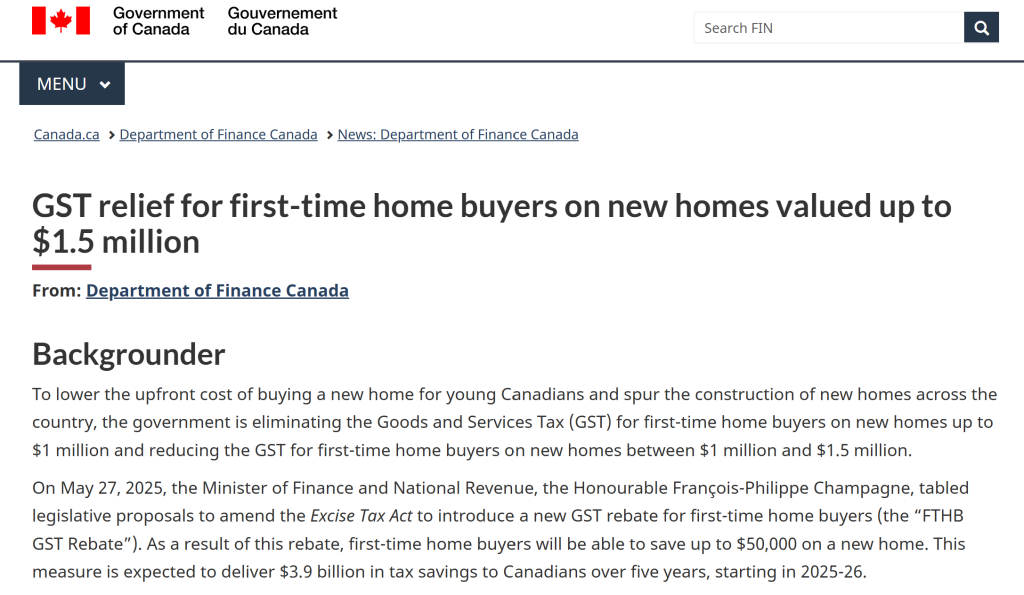
The federal government recently announced a major change to its GST exemption for first-time home buyers purchasing newly built properties. The update raises the full exemption limit from $350,000 to $1 million, with a partial exemption available up to $1.5 million.
At first glance, this might sound like a huge win for new buyers. After all, who wouldn’t want to pay less tax? But when you look closer at the data and buying behavior, the practical benefit becomes far more limited.
Why the Old Program Wasn’t Working
The original GST exemption threshold—$350,000 for full exemption and $450,000 for partial—was never indexed to inflation or housing prices. As a result, the program became essentially irrelevant.
In the Fraser Valley, even a 350-square-foot micro suite costs close to $400,000. In areas closer to Vancouver, that number climbs even higher. Simply put, the old limits didn’t reflect the current market and offered little help to actual first-time buyers.
Who Does the New Exemption Really Help?
Despite the headline-grabbing update, the new thresholds may not help as many people as it seems.
According to a recent CMHC survey, only 12% of home buyers in Canada in 2025 were first-time home buyers. And among that 12%, very few are purchasing pre-sale properties—the only type eligible under this GST exemption.
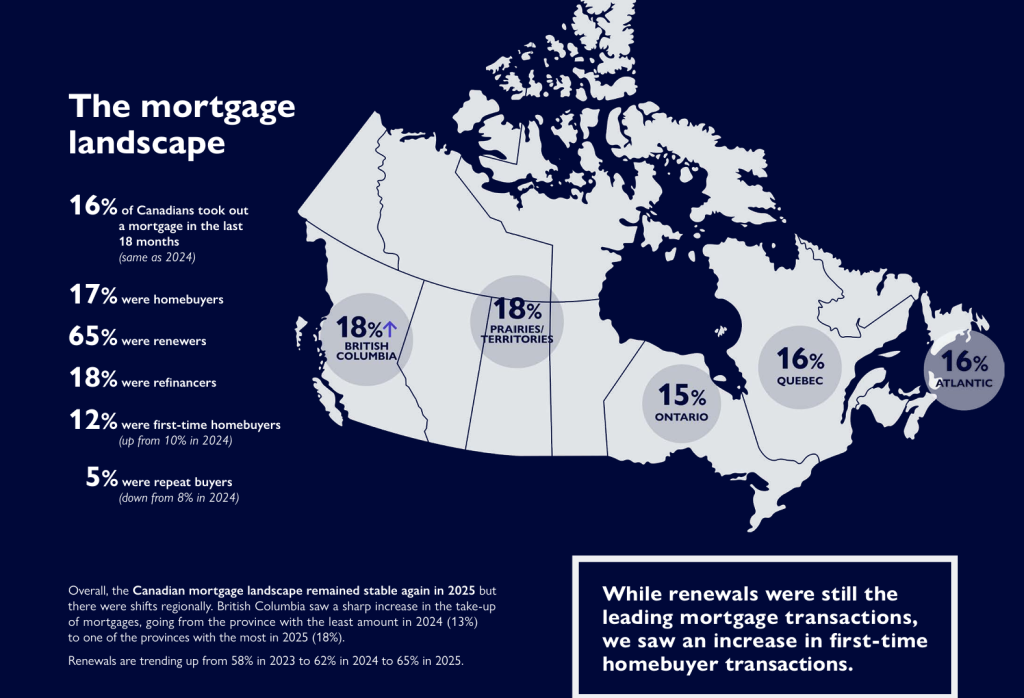
While first-time buyer activity has ticked up slightly from 2024, most mortgage activity still comes from renewals, repeat buyers, or refinancers. That means the updated GST rebate targets a relatively small segment of the market.
Why aren’t more first-time buyers purchasing new builds?
Resale homes offer better value. You typically get more square footage and functionality for the same or less money.
Presales come with long delays. Condos can take up to 24 months to complete; townhomes, 12–18 months. Most first-time buyers want to move in within a few months—not years.
So while the new exemption looks good on a press release, the reality is it won’t align with how most first-time buyers are actually shopping.
What Would Actually Help?
This proposal was first floated during the federal election. At the time, I preferred the Conservative Party’s approach: removing the GST on new builds for all buyers—not just first-time ones—up to $1.5 million. That policy would’ve impacted a much broader cross-section of the market.
They also pushed for provinces to reduce or eliminate the Property Transfer Tax, which remains one of the most painful and unexpected costs for home buyers.
(Insert: Unexpected Costs.png)
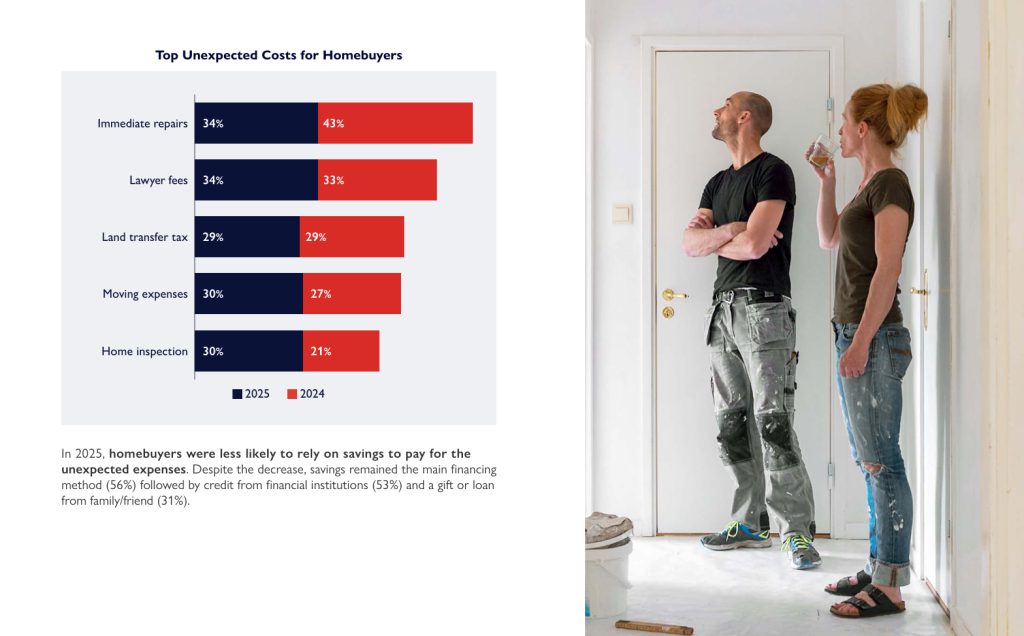
As shown above, nearly 30% of buyers in 2025 identified the Land Transfer Tax as a top unexpected expense—right alongside legal fees, repairs, and moving costs. And since this tax can’t be rolled into your mortgage, it’s a direct hit to your cash flow at closing.
Bottom Line
Yes, the new GST exemption will help some first-time buyers. But let’s not pretend this is meaningful housing reform. It’s narrowly targeted, doesn’t reflect how most buyers shop, and isn’t indexed to inflation—so it’s bound to become outdated again.
It makes for a great photo op. But if we want meaningful change, we need policy that aligns with reality.


